Call Today: 888-978-7669

Commercial Parking Lot Striping Service

Parking lot striping and pavement markings coordinated across regional and national commercial portfolios.

Case provides commercial parking lot striping for organizations that manage dozens or hundreds of properties across the United States. We restripe parking stalls, accessible parking spaces, fire lanes, crosswalks, directional arrows and loading zones as part of a coordinated multi-site maintenance program, with one point of contact, one service standard and site-level reporting for every location.

Since 2009, Case has serviced more than 35,000 commercial locations across North America through a network of more than 25,000 service partners.

Locations Serviced
10000 +
Service Partner Network
10000 +
Trucks and Equipment
0 +

Commercial Parking Lot Striping for Multi-Site Property Portfolios

For a single property, parking lot striping is a straightforward job. For a portfolio of 40, 100 or 500 locations, it becomes a coordination problem.

Each site has different pavement conditions, layouts, traffic volumes and operating hours. Markings fade at different rates depending on climate, snow removal and daily traffic. When each location hires its own local contractor, the result is usually a portfolio with inconsistent line colors, mismatched layouts, uneven accessible parking markings and no central record of what was done or when.

Case approaches parking lot striping the way facility teams actually manage it: as a recurring maintenance item across the whole portfolio, not a one-off project at each address.

What that means for your team:

  • One program instead of dozens of vendors.Case coordinates striping across every location in scope, so your team is not sourcing, vetting and scheduling separate contractors market by market.
  • One standard across every site.Line widths, paint colors, stencils and marking specifications are agreed once and applied at each property.
  • One accountable contact.A dedicated account team manages scheduling, questions and follow-up for the entire portfolio.
  • One place to see status.Completed work, photos and site findings are recorded and available through the Case client platform.

You manage the portfolio. Case coordinates the maintenance.

What Our Commercial Parking Lot Striping Services Include

Commercial parking lot striping covers far more than stall lines. A typical Case scope includes the markings that keep a parking area organized, safe to move through and usable for every driver and pedestrian.

Parking Lot Restriping

Restripping restores existing markings that have faded from vehicle traffic, UV exposure, weather, plowing and sweeping. Lines are repainted over the existing layout so spaces, aisles and traffic markings are clearly visible again. Restripping is the most common recurring service in a multi-site program.

Seasonal Clean-Up

New Parking Lot Layouts and Re-Layouts

After paving, resurfacing, sealcoating or a change in how a site is used, the parking area needs a new layout. Case coordinates layout marking based on the approved site plan, including stall dimensions, drive aisles and the number and placement of accessible spaces.

Gravel Installation

Parking Stall Markings

Standard, compact and angled parking stall lines, double lines and end-of-row markings that define where vehicles park and keep drive aisles open.

Seasonal Flower Rotation

Accessible (ADA) Parking Markings

Accessible parking spaces, van-accessible spaces, access aisles and the International Symbol of Accessibility stencil. Access aisles are marked to discourage parking within them, and markings are coordinated with the required signage. See the accessibility section below for how Case handles these requirements.

Mulch Installation

Fire Lane and No-Parking Markings

Red curb painting, fire lane striping and “FIRE LANE – NO PARKING” stenciling that keeps emergency access routes visible and clear. Local fire codes set specific color and wording requirements, so these markings are matched to the jurisdiction where each property sits.

Mulch Cultivation

Directional Arrows and Traffic Markings

Directional arrows, stop bars, “STOP” stencils, lane lines and one-way markings that guide vehicles through entrances, exits, drive-thru lanes and circulation routes.

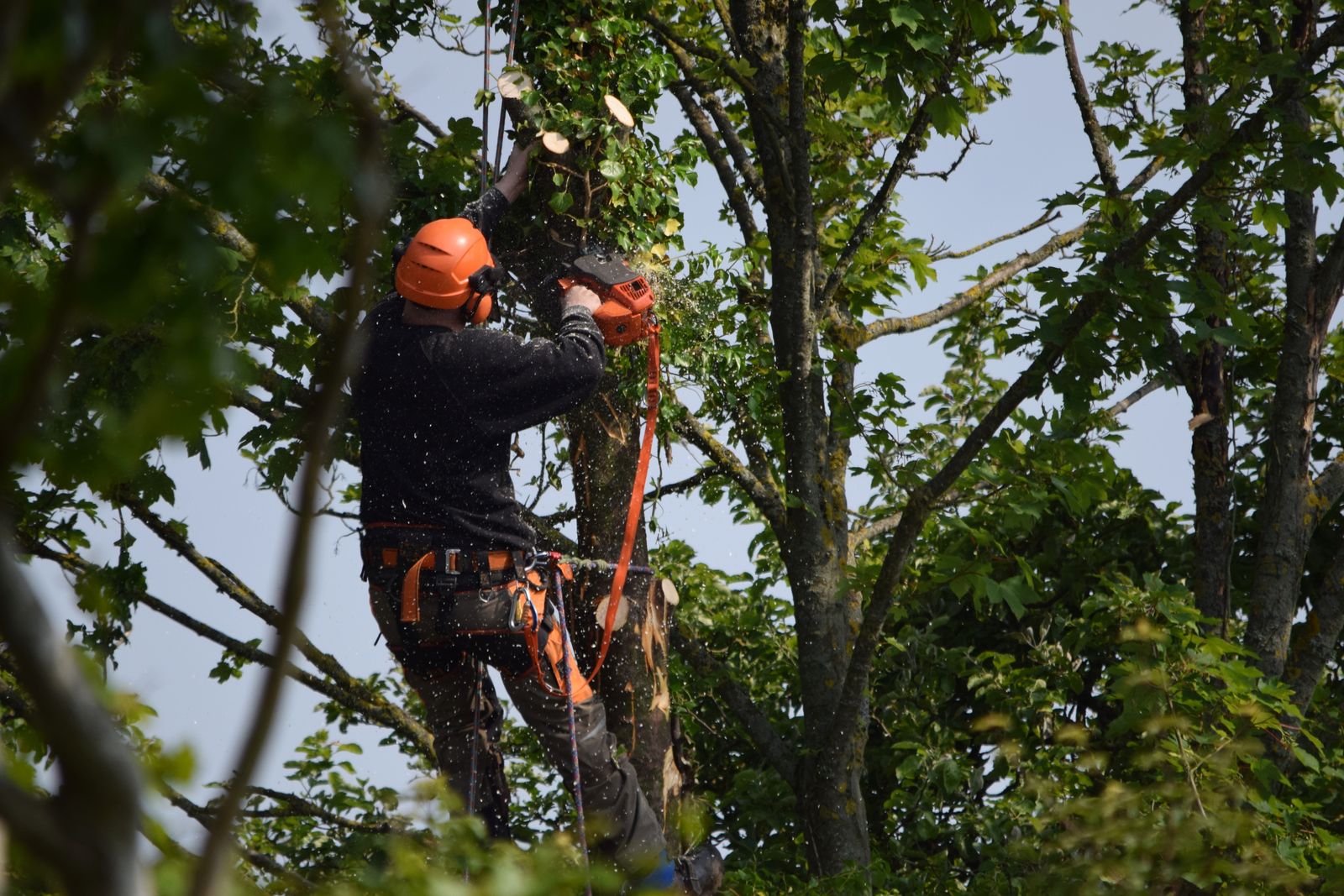
Tree Care

Crosswalks and Pedestrian Markings

Standard and high-visibility (ladder or continental) crosswalks that mark where pedestrians cross between parking areas, building entrances and sidewalks.

Tree Trimming

Loading Zones and Reserved Parking

Loading and delivery zone markings, curbside pickup spaces, reserved and visitor parking, employee parking, and time-limited spaces.

Tree Care

EV Charging Space Markings

Marking and stenciling for electric vehicle charging spaces so they are clearly identified and kept available for charging vehicles.

Tree Trimming

Curb Painting and Custom Stencils

Curb painting by color code, numbered spaces, company logos, “NO PARKING” text, speed limit markings and other custom stencils specified by your brand or property standards.

Parking Lot Striping Across 40+ Commercial Locations

Case is built for portfolios where consistency and coordination matter more than any single job. Our service model pairs centralized oversight with local execution: the Case account team plans, schedules and tracks the program, and qualified service partners in each market perform the work on site.That structure is what allows one program to scale from a regional group of properties to a national portfolio.

Your account team holds the full list of locations, scopes, schedules and site requirements. Requests, changes and issues go through one contact rather than through individual contractors.

Case’s network of more than 25,000 service partners and more than 500 trucks and pieces of equipment allows work to be performed by crews close to each property, under Case’s oversight.

Paint type, line widths, colors, stencil sizes and marking layouts are documented at the start of the program and applied across the portfolio, so a location in one state matches a location in another.

Locations are grouped by region, season and priority. Work is planned around weather windows and paint-curing temperatures, which matters for properties in colder climates where the striping season is shorter.

Each completed location is recorded with service details and photos. Facility teams can review status by site and share records with owners, tenants or internal stakeholders.

Parking lot striping can be included in a master service agreement alongside other exterior services, giving procurement a single contract structure across multiple states.

Why Commercial Properties Need Clear, Consistent Parking Markings

Parking markings are often the first thing customers, patients, tenants and employees see at a property. When they fade, the effects are practical, not cosmetic.

  • Organized parking.Visible stall lines keep vehicles parked within spaces, which preserves the property’s designed parking capacity.
  • Safer vehicle movement.Arrows, stop bars and lane lines reduce confusion at entrances, exits and intersections inside the lot.
  • Pedestrian visibility.Crosswalks show drivers where to expect people walking between their cars and the building.
  • Accessible parking that can be identified and used.Faded access aisles and symbols make accessible spaces harder to find and easier to block.
  • Clear emergency access.Fire lanes and no-parking zones need to stay visible so emergency vehicles can reach the building.
  • Smoother deliveries.Marked loading zones keep trucks, pickup vehicles and customer traffic separated.
  • Consistent property standards.Across a portfolio, parking areas that look the same signal a well-maintained brand and a well-managed asset.

How Multi-Site Parking Lot Striping Works with Case

01

Portfolio Review

We start with your list of locations, existing site plans, brand or property standards, and any known problem sites. This defines the scope of the program and the markets involved.

02

Site Assessment

Each location’s current markings, pavement condition, accessible parking layout and traffic patterns are reviewed. Sites that need full restriping, partial restriping, re-layout or related pavement work are identified.

03

Scope and Specification

A standard specification is set for the portfolio, covering paint type, colors, line widths, stencils and marking types, with site-specific notes where layouts or local requirements differ.

04

Scheduling

Locations are scheduled by region and priority around your operating hours, customer traffic, deliveries and weather conditions suitable for paint application and curing. Large lots can be phased so parts of the parking area stay open.

05

Service Delivery

Local service partners complete the work to the agreed specification under Case’s oversight.

06

Documentation

Completed work is recorded with photos and service details for each site, and made available through the Case client platform.

07

Follow-Up and Ongoing Maintenance

Findings such as cracking, potholes or drainage issues are reported back so they can be addressed. Restriping intervals are then planned for each location so markings are maintained before they fade, rather than after complaints come in.

Minimizing Disruption to Commercial Operations

Most commercial properties cannot close their parking lots during business hours. Striping work is planned around how each site operates:

Accessible Parking and ADA Pavement Markings

Accessible parking involves more than painting a wheelchair symbol. Under the 2010 ADA Standards for Accessible Design, accessible parking includes the number of accessible spaces, the share that must be van-accessible (at least one of every six accessible spaces), space and access aisle widths, access aisle markings, identification signage and a connection to an accessible route into the building.

The U.S. Department of Justice has also made clear that restriping a parking lot is a point where accessible parking must be provided in line with current standards. That makes restriping the natural time to review accessible parking layouts across a portfolio.

How Case handles accessible parking markings:

  • Marking accessible and van-accessible spaces, access aisles and the International Symbol of Accessibility as part of each striping scope.
  • Flagging locations where the existing layout, space count or signage appears not to match the current specification, so your team can decide how to address it.
  • Coordinating markings with required signage and with state or local requirements, which can add to the federal standards.
  • Applying one accessible parking specification across every location in the program.

Requirements vary by property type, jurisdiction and state law. Case marks accessible parking according to the approved specification for each site; final compliance determinations rest with the property owner and the applicable authority. For the federal standards, see the U.S. Department of Justice ADA guidance on accessible parking at ada.gov.

Parking Lot Striping for Commercial Property Portfolios

Case coordinates parking lot striping for organizations whose properties share one need: consistent, well-marked parking across many sites.

High customer volume, curbside pickup spaces, cart corrals and fire lanes at the storefront. Work has to happen around store hours.

Truck courts, dock approaches, trailer parking, employee lots and pedestrian crossings in areas with heavy vehicle movement and round-the-clock operations.

Higher demand for accessible parking, patient drop-off zones, emergency access routes and clear wayfinding for visitors.

Reserved and visitor parking, EV charging spaces and multi-lot layouts across a campus.

Permit lots, bus loops, crosswalks and fire lanes, often scheduled during breaks between terms.

Guest arrival areas, valet zones and consistent brand standards across properties.

Multiple owners and asset types, with per-property records that can be passed back to owners.

Public-facing sites where accessible parking and clear traffic markings carry added scrutiny.

Parking Lot Striping as Part of a Broader Exterior Maintenance Program

Parking lot striping rarely stands alone. The same pavement is swept, plowed, sealed, patched and pressure washed throughout the year, and each of those services affects the markings.

Case provides exterior facility services that can be bundled into one program, so the timing of each service supports the others:

  • Concrete and asphalt repair: crack sealing, patching and sealcoating completed before restriping so new lines go down on sound pavement.
  • Parking lot sweeping: regular sweeping that keeps debris from wearing down markings.
  • Power washing: cleaning sidewalks, curbs and storefronts around the parking area.
  • Snow and ice management: winter service planned with plow operators to reduce damage to markings, followed by spring restriping where needed.
  • Fencing and guardrail: barriers and guardrails along parking areas and drive lanes.
  • Commercial landscaping: islands, medians and perimeter landscape maintenance around parking lots.

One vendor across these services means fewer contracts, fewer handoffs between contractors and one maintenance calendar for each property.

Why Facility Teams Choose Case for Commercial Parking Lot Striping

Built for large portfolios

Case has serviced more than 35,000 locations across North America. Our programs, processes and account structure are set up for organizations managing 40, 100 or several hundred properties.

Centralized oversight with local execution

A layered service model gives you one account team responsible for the full program and local service partners at each site, so you do not trade consistency for coverage.

A service network sized for national programs

More than 25,000 service partners and more than 500 trucks and pieces of equipment support work across multiple states and markets.

Reporting your team can use

Case’s proprietary technology, built in-house, gives clients a portal to search sites by store number, city or address, view locations on a map and check service status across exterior services, including parking lot maintenance.

Quality management at scale

Case was the first company in its industry to achieve SN 9001 certification and is recognized as the third-largest snow and ice management company in North America. The same operational discipline that runs large winter programs applies to year-round exterior services like parking lot striping.

Experience since 2009

More than 15 years of coordinating multi-site commercial maintenance for retail, industrial, healthcare, office and institutional portfolios.

Frequently Asked Questions About Commercial Parking Lot Striping

Commercial parking lot striping is the application of painted lines and pavement markings at commercial properties. It includes parking stall lines, accessible parking spaces and access aisles, fire lanes, directional arrows, stop bars, crosswalks, loading zones and custom stencils. It covers both new layouts and restriping of existing markings.

There is no single interval for every property. Restriping frequency depends on traffic volume, climate, snow removal, pavement condition and the type of paint used. High-traffic retail and distribution sites often need more frequent restriping than lower-traffic office lots. Case assesses each location and sets a restriping schedule for the portfolio based on site conditions.

Yes. Multi-site coordination is the core of how Case works. One account team manages scheduling, specifications and reporting for every location in the program, while local service partners complete the work in each market.

Yes. Case programs are built for portfolios of 40, 100 and several hundred locations. Case has serviced more than 35,000 locations across North America and works through a network of more than 25,000 service partners.

Yes. Case marks accessible and van-accessible parking spaces, access aisles and the International Symbol of Accessibility as part of the striping scope, and flags locations where existing layouts or signage appear not to match the current specification. Final compliance determinations rest with the property owner and applicable authorities, as requirements vary by jurisdiction.

Fire lanes and red curbs, no-parking zones, directional arrows, stop bars, crosswalks, loading and delivery zones, reserved and visitor parking, curbside pickup spaces, EV charging spaces, numbered spaces and custom stencils such as logos.

Yes. Work is planned around each site’s operating hours and traffic patterns, and large lots can be phased so part of the parking area stays open. Scheduling is coordinated with on-site contacts before work begins.

Each location is recorded with service details and photos after work is completed. Clients can review site status through the Case client platform and share records with owners, tenants or internal teams.

Yes. Traffic paint needs dry pavement and suitable temperatures to bond and cure properly. Case schedules work by region to match local weather windows, which is especially important for properties in northern states.

Yes. Striping can be combined with asphalt repair, sealcoating, sweeping, power washing, landscaping and snow and ice management under one program or master service agreement, giving your team one vendor and one maintenance calendar across the portfolio.

Request a Commercial Irrigation Assessment

Case provides commercial irrigation services for property portfolios in USA. Whether you need a system installed, an existing system maintained, a failure repaired, or an assessment of what your portfolio actually requires, contact Case to start the conversation.