Call Today: 888-978-7669

Commercial Drip Irrigation Conversion Service

Case provides commercial drip irrigation conversion services for businesses managing commercial property portfolios across the United States. We assess existing sprinkler and overhead irrigation systems, design custom retrofit solutions, and complete the conversion with minimal disruption to property operations, across one location or hundreds.

Since 2009, Case has serviced more than 35,000 commercial locations across the United States and Canada, supported by a network of over 25,000 service partners and a fleet of more than 500 trucks and pieces of equipment. Organizations managing large property portfolios work with us because we bring the same standardized process, single-point-of-contact accountability, and documented service quality to every site we service.

If your irrigation system is generating water costs your portfolio cannot justify, Case can evaluate your existing infrastructure, identify which zones are suited for drip conversion, and deliver a structured program.

Locations Serviced
10000 +
Service Partner Network
10000 +
Trucks and Equipment
0 +

Is Your Current Irrigation System Costing More Than It Should?

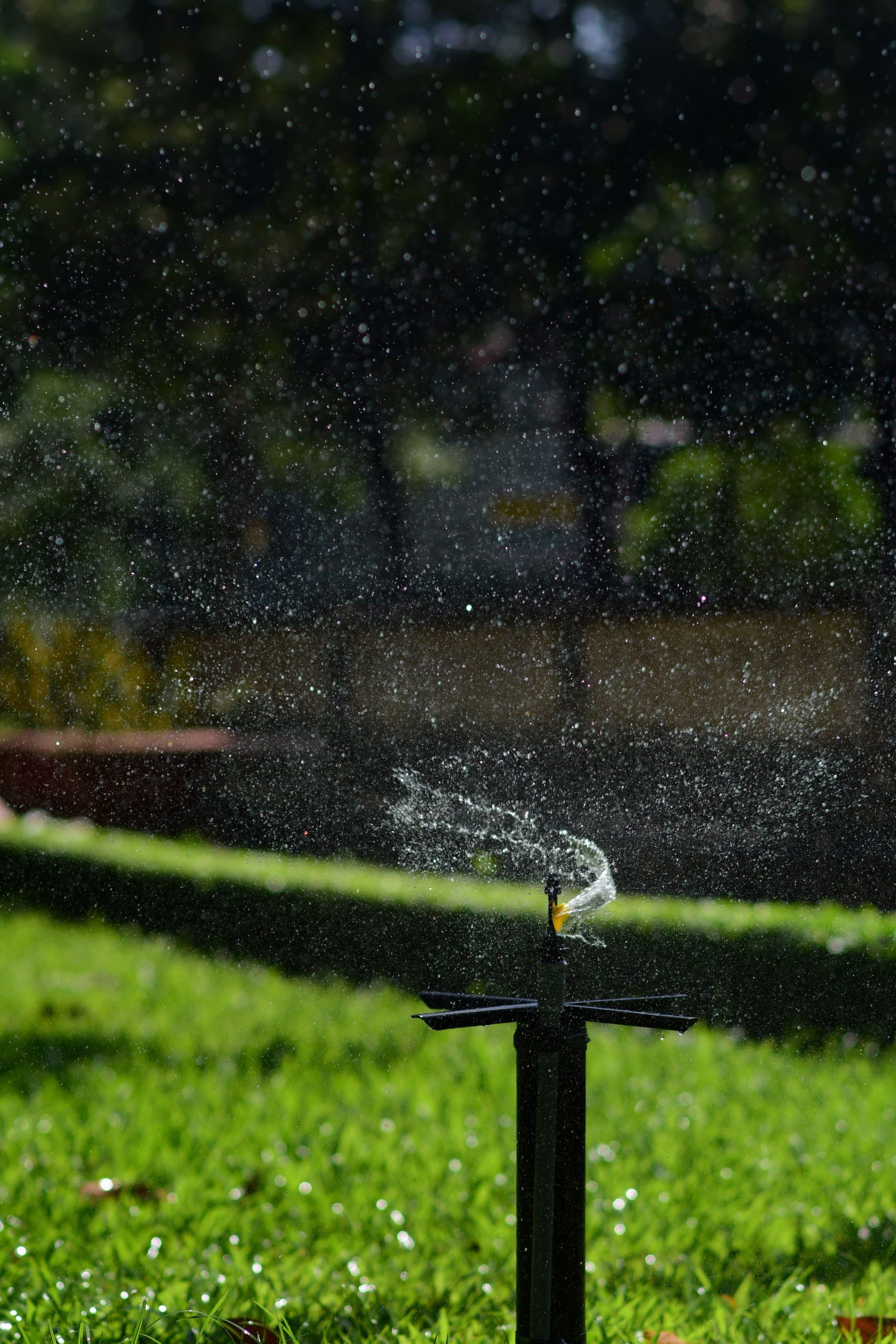
Most commercial properties running overhead sprinkler systems are losing water to overspray, evaporation, wind drift, and surface runoff, losses that accumulate across every zone, every watering cycle, and every location in a portfolio.

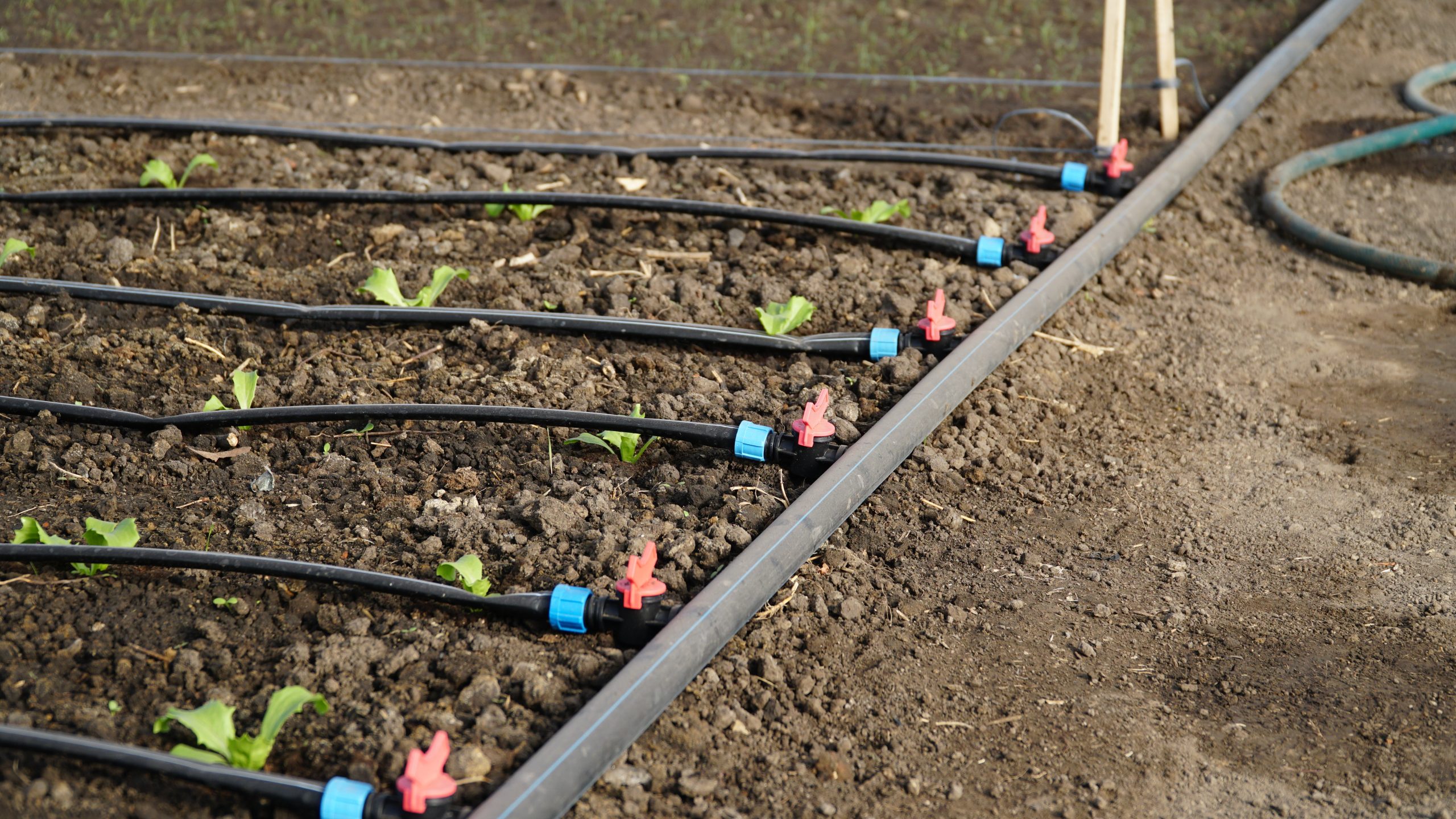
Drip irrigation delivers water directly to the root zone of plants, shrubs, and trees. No overspray onto sidewalks or parking lots. No runoff into storm drains. No water applied to hardscapes, curbs, or areas where no vegetation exists.

For facility managers and property operators managing large landscape maintenance budgets, converting from overhead spray irrigation to a professionally installed drip system is one of the most operationally straightforward ways to reduce utility costs while improving long-term landscape health.

Common indicators that a drip irrigation conversion makes sense for your portfolio:

  • Irrigation utility costs that have increased year over year without a corresponding landscape expansion
  • Overspray onto pedestrian walkways, parking lots, or building exteriors
  • Shrub beds and ornamental plantings showing signs of overwatering, underwatering, or inconsistent growth
  • Aging sprinkler heads requiring repeated repairs or component replacement
  • Active water restrictions in your municipality, county, or state
  • Sustainability, ESG, or LEED commitments that require documented reductions in water consumption
  • Runoff conditions creating slip hazards, staining hardscapes, or triggering environmental compliance concerns
  • Irrigation infrastructure approaching or past its effective service life

If any of these conditions apply across your properties, a structured drip conversion program managed by an experienced commercial irrigation contractor is worth a professional evaluation.

What Is a Commercial Drip Irrigation Conversion?

A commercial drip irrigation conversion is the process of retrofitting an existing overhead sprinkler or spray irrigation system to deliver water through a network of low-pressure drip emitters positioned at or near the root zone of individual plants.

The conversion does not require removing your entire irrigation infrastructure. In most commercial landscapes, existing supply lines, valve assemblies, backflow preventers, and controller wiring can be retained and adapted as part of a professionally designed retrofit, which keeps project costs lower and minimizes excavation and site disruption.

What changes in a drip irrigation conversion:

Component

What Happens

Spray heads and rotors

Removed and replaced with drip emitters or distribution tubing

Pressure regulators

Installed per zone to maintain correct drip operating pressure

Filter assemblies

Added to protect emitter orifices from debris and particulate clogging

Distribution tubing

Routed through landscape beds to individual plant positions

Drip emitters

Sized and placed based on plant type, root depth, and water requirement

Irrigation controller

Upgraded where applicable to weather-based or sensor-driven scheduling


The result is a system that delivers the right volume of water to the right locations, without the losses inherent in overhead irrigation, and can be integrated with smart controllers for automated schedule adjustments based on real weather and soil conditions.

Commercial Drip Irrigation Conversion Services We Provide

Existing System Assessment and Zone Mapping

Before any conversion work begins, our commercial irrigation specialists conduct a full evaluation of your existing system, including zone mapping, spray head inventory, operating pressure readings, controller programming review, and landscape plant inventory. This assessment identifies which zones are suitable for direct drip conversion, which require partial upgrades, and where full component replacement is the more practical route.

For multi-site portfolios, assessments are coordinated centrally through your Case account team and executed locally at each property by qualified irrigation technicians.

Smart Controller Integration

Smart Controller Integration and Upgrades

Existing irrigation controllers can be upgraded to weather-responsive smart controllers as part of the conversion process. Smart controllers automatically adjust watering schedules based on real-time weather data, evapotranspiration (ET) rates, rainfall sensor inputs, and seasonal programming, reducing water use further beyond what drip hardware alone achieves. For multi-location portfolios, centralized irrigation platforms allow remote monitoring and schedule management across every property from a single interface.

Our team installs and programs commercial-grade smart irrigation controllers and provides ongoing controller management through our commercial irrigation maintenance programs.

Drip Irrigation

Commercial Drip System Installation

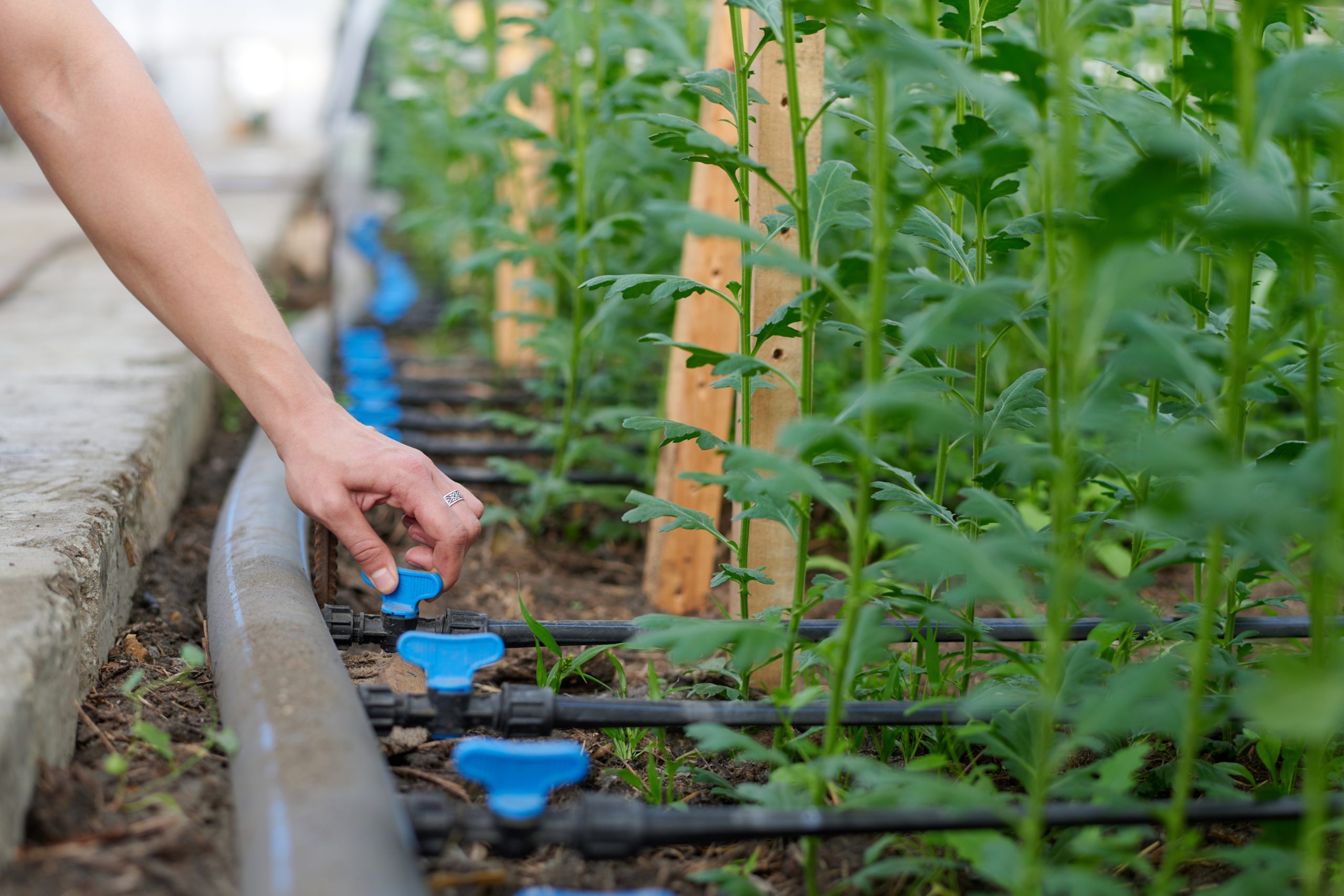
Our irrigation crews remove overhead spray components and install drip distribution tubing, pressure-compensating emitters, filter assemblies, and pressure regulators zone by zone. Existing mainlines, lateral piping, valves, and backflow preventers are retained where serviceable. System testing is completed at the end of each installation phase to confirm operating pressure, emitter output, and zone coverage before handover.

Drip irrigation Design

Custom Drip System Design

Based on the site assessment, we develop a drip irrigation conversion plan specific to each property’s layout, plant types, soil conditions, and operating pressure. Emitter selection, zone groupings, pressure regulation requirements, distribution tubing routing, and smart controller compatibility are all addressed at the design stage, before any installation work begins.

Post-Conversion Testing and System Documentation

Post-Conversion Testing and System Documentation

Following installation, we run a full system test across all converted zones, verify emitter output rates, confirm pressure regulation at each zone, and document zone schedules, flow rates, and system configuration for your facilities records. This documentation is accessible through our client platform and supports your facility management team in managing ongoing irrigation operations.

Ongoing Drip Irrigation Maintenance

Ongoing Drip Irrigation Maintenance

A drip irrigation system performs best when maintained on a consistent, scheduled basis. Case provides commercial irrigation maintenance programs that cover seasonal start-up, mid-season emitter inspections, pressure checks, filter cleaning, winterization, and annual system evaluations, across one property or your entire portfolio under a single maintenance agreement.

Properties That Benefit Most From Drip Irrigation Conversion

Drip irrigation conversion is most operationally beneficial for commercial properties where landscape beds, shrubs, ornamental trees, and perimeter plantings make up a significant portion of the irrigated area. Properties with high-visibility landscapes, water-intensive plant palettes, or locations subject to water restrictions will see the most immediate and measurable improvements in irrigation efficiency.

Median plantings, entry features, and perimeter landscape beds are well-suited to drip conversion. Eliminating overspray onto parking lots and pedestrian surfaces reduces slip-and-fall hazards and keeps hardscapes cleaner between maintenance visits, a practical improvement for properties with high daily foot traffic.

Landscape quality reflects directly on tenant satisfaction and property value. Drip irrigation maintains consistent soil moisture for healthier ornamental plantings while reducing the frequency of irrigation-related maintenance calls and keeping walk areas dry.

Perimeter landscaping and entrance areas benefit from lower-maintenance drip systems that operate reliably with minimal intervention. Reduced water consumption supports operational cost targets without requiring ongoing irrigation management from in-house facility teams.

Wet sidewalks and overspray near building entrances create liability exposure at properties where patient and visitor safety is a primary concern. Drip conversion eliminates these conditions while maintaining healthy exterior landscapes that meet the appearance standards healthcare organizations require.

Ornamental plantings, courtyards, and exterior landscape features maintain better health with the consistent root-zone moisture delivery drip irrigation provides. Water savings reduce operating costs without affecting the guest-facing exterior presentation that hospitality brands depend on.

Well-maintained exterior landscapes support resident satisfaction and property presentation. Drip systems reduce the occurrence of dry or overwatered plantings, lower utility costs, and reduce the frequency of irrigation-related service calls across managed communities.

Water conservation mandates and operational budget pressures make drip conversion a practical and documentable improvement for parks, civic centers, and government facility grounds.

Multi-Site Drip Irrigation Conversion Programs

Managing irrigation upgrades across 40, 100, or 500 commercial locations requires more than a qualified irrigation contractor. It requires a program management structure with standardized specifications, portfolio-wide scheduling, centralized documentation, and a service delivery model built for geographic scale.

Case designs commercial drip irrigation conversion programs as multi-phase, portfolio-wide engagements, not a series of disconnected single-site projects.

How Multi-Site Conversion Programs Work With Case

  • Single point of contact managing your entire portfolio through one Case account team
  • Portfolio-level irrigation assessment and site prioritization based on irrigation age, water cost, and operational priority
  • Standardized conversion specifications applied consistently across every location in your program
  • Phased implementation scheduling to align with your budget cycles, fiscal planning, and operational calendars
  • Consistent documentation and post-installation reporting for every site in your portfolio
  • Coordinated access scheduling with your regional property and facility management teams
  • Portfolio-wide irrigation maintenance agreements available following conversion completion

For facility managers, procurement teams, and Directors of Facilities managing large commercial property portfolios, this structure replaces the operational complexity of coordinating multiple regional irrigation contractors with a single, managed program.

Our proprietary technology platform allows your facilities team to monitor service status across all active conversion projects, search properties by store number, city, or address, and access documentation for every completed site, from any device.

The Case Commercial Drip Conversion Process

Commercial drip irrigation conversion at scale requires a defined, repeatable process. Here is how Case approaches drip conversion programs for commercial portfolio clients.

01

Portfolio Assessment and Irrigation Review

We begin with a review of your commercial property portfolio to understand the number of locations, existing irrigation infrastructure, property types, geographic distribution, and service priorities. For existing system holders, this typically includes a site walkthrough or property information review to develop accurate conversion specifications.

02

Customized Conversion
Proposal

Based on the portfolio assessment, we develop a customized drip irrigation conversion program that defines the scope of work at each location, phasing plan, scheduling windows, and SLA commitments. This forms the basis of your Master Service Agreement (MSA) with Case.

03

Crew Mobilization and
Scheduling

Installation scheduling is coordinated centrally through our operations team. Crews are mobilized through our national service partner network to ensure local execution with consistent standards. All crew assignments and site schedules are tracked through our proprietary platform.

04

Site-by-Site Conversion Execution

Our irrigation crews execute zone-by-zone drip conversion at each property, following the approved specifications for that location. Project managers provide site-level oversight throughout the installation process to maintain quality and schedule compliance.

05

System Testing and
Verification

Each converted system is tested in full before handover, verifying emitter output, zone pressure regulation, controller programming, and overall system performance. Test results and system documentation are captured and made available through the client platform.

06

Reporting and Portfolio
Review

Following conversion completion at each site, consolidated reporting is provided across your portfolio. Account managers are available for ongoing communication, performance reviews, and coordination of any warranty-period service requirements.

07

Transition to Ongoing Irrigation Maintenance

Drip systems require consistent scheduled maintenance to perform at their designed efficiency. Case offers commercial irrigation maintenance programs that transition directly from the conversion project and are coordinated through the same account team, covering seasonal start-up, mid-season inspections, winterization, and annual system evaluations.

THE Case ADVANTAGE

Why Commercial Property Teams Choose Case

Scale and Operational Infrastructure

Case services more than 35,000 locations across the United States and Canada. Our service partner network exceeds 25,000 providers, and our fleet includes more than 500 trucks and pieces of equipment. This infrastructure allows us to deliver drip irrigation conversion programs at the scale national and regional commercial portfolios require, without the service gaps or scheduling inconsistencies that limit smaller regional contractors.

Proprietary Technology Platform

The Case Client Dashboard provides facility managers and operations directors with real-time visibility into service status across their entire portfolio. Properties can be searched by store number, city, or address. Irrigation conversion projects are tracked through work order completion records, photo verification, and progress reporting, accessible from any device. This level of operational transparency is not standard with most commercial irrigation contractors.

Single Point of Contact, Every Location

Your dedicated Case account manager coordinates drip irrigation conversion programs across your entire property portfolio. No managing multiple contractors across different markets. No inconsistent communication or documentation. One contact, one program, every location. From scheduling to service verification, we handle it all end-to-end.

National Reach, Local Execution

Our layered service model combines centralized program oversight with local crew execution through our 25,000+ service partner network. Your irrigation conversion program benefits from consistent national specifications while being delivered by experienced local teams who understand regional soil conditions, water pressure standards, plant types, and climate requirements.

Year-Round Facility Maintenance Integration

Commercial drip irrigation conversion is one component of a broader facility maintenance relationship. Case delivers year-round exterior maintenance services covering commercial landscaping, snow and ice management, tree care, plant health and fertilization, pest control, power washing, parking lot maintenance, and more. Clients who manage drip irrigation conversion through Case and extend into year-round maintenance programs benefit from consistent service standards across all exterior facility services, simplified vendor management, and a single provider who understands the full scope of their properties, including how irrigation connects to landscape health, seasonal clean-up programs, and weed control programs.

Business Outcomes of Commercial Drip Irrigation Conversion

Facility managers responsible for commercial property portfolios understand that irrigation infrastructure is not simply a landscape utility. It is an operational cost center, a maintenance liability, and, when managed correctly, a tool for reducing long-term property operating expenses while maintaining the exterior standards tenants, customers, and visitors expect.

Portfolio Assessment and Irrigation Review

We begin with a review of your commercial property portfolio to understand the number of locations, existing irrigation infrastructure, property types, geographic distribution, and service priorities. For existing system holders, this typically includes a site walkthrough or property information review to develop accurate conversion specifications.

Reduced Liability Exposure

We begin with a review of your commercial property portfolio to understand the number of locations, existing irrigation infrastructure, property types, geographic distribution, and service priorities. For existing system holders, this typically includes a site walkthrough or property information review to develop accurate conversion specifications.

Sustainability and ESG Documentation

Organizations with formal ESG commitments, sustainability reporting obligations, or LEED targets can use documented water consumption reductions from drip irrigation conversion as quantifiable evidence of progress. Case provides post-conversion documentation that supports this type of portfolio-level sustainability reporting.

Healthier Commercial Landscapes at Lower Cost

Overhead irrigation systems apply water inconsistently across zones, some plants receive too much, others too little, depending on head placement, pressure variation, and wind conditions. Drip irrigation delivers water directly at the root zone of each plant, supporting more consistent growth, better plant health, and reduced plant replacement costs over time.

Healthier shrub beds and ornamental plantings require fewer emergency maintenance interventions, and property teams spend less on replacement planting cycles caused by irrigation-related stress, overwatering, or drought conditions.

Vendor Consolidation and Operational Simplification

Organizations managing more commercial locations dealing with separate irrigation contractors in each market face significant administrative complexity, separate contracts, separate invoicing, inconsistent service standards, and no consolidated view of irrigation status across the portfolio. Consolidating drip conversion and ongoing irrigation maintenance under a single provider with national coverage eliminates that overhead, creates consistent outcomes, and gives procurement teams one program to manage rather than dozens.

Industries We Serve

Case delivers commercial drip irrigation conversion services for organizations across a wide range of commercial property sectors. Our multi-site programs are built specifically for businesses managing large property portfolios that require consistent execution, coordinated scheduling, and standardized documentation.

Property Management Companies and REITs

Portfolio-wide irrigation conversion programs for commercial real estate asset managers seeking vendor consolidation and consistent property standards.

Frequently Asked Questions, Commercial Drip Irrigation Conversion

Here are answers to a few common questions about commercial snow removal services.

In most cases, yes. Existing mainlines, valve assemblies, and backflow preventers can typically be retained as part of a drip retrofit. Our irrigation specialists assess your existing system during the site evaluation to determine which components are serviceable and which require replacement, then design a conversion plan that maximizes use of your current infrastructure.

Case schedules commercial irrigation conversions to minimize impact on property operations, tenant activities, and customer-facing environments. Installation is completed zone by zone, and work can be phased around operational windows where access is restricted. For multi-site programs, scheduling across locations is coordinated centrally to maintain program progress while keeping site-level disruption low.

Yes. Multi-site drip irrigation conversion programs are a structured part of our commercial irrigation offering. We manage portfolio-wide programs through a dedicated account team with standardized specifications, coordinated scheduling, and centralized documentation across every location.

Water savings vary by property, plant palette, existing system condition, and local climate. Properties converting from overhead spray irrigation to drip systems consistently reduce irrigation water consumption by eliminating overspray, evaporation, and surface runoff losses. Our irrigation team provides a site-specific assessment following an on-site evaluation to give your team a realistic estimate for your portfolio.

Drip systems require regular maintenance to perform consistently over time, including seasonal start-up and winterization, mid-season emitter inspections, pressure checks, filter cleaning, and controller schedule reviews. Case provides ongoing commercial irrigation maintenance programs covering all standard maintenance requirements on a scheduled basis, across your entire portfolio under a single agreement.

Yes. Smart irrigation controllers are fully compatible with drip systems and are frequently installed as part of a conversion program. Weather-responsive controllers automatically adjust watering schedules based on real-time conditions, evapotranspiration data, and seasonal programming, reducing water use beyond what drip hardware alone achieves. Case installs and programs commercial-grade smart timer systems as part of our drip conversion service.

No. Drip irrigation operates at lower pressure than overhead spray systems. Pressure regulators are installed as part of the conversion to reduce existing line pressure to the correct operating range for drip emitters, typically between 15 and 30 PSI depending on the system design. Your existing mainline pressure is retained upstream; only the zone-level pressure changes.

Existing spray heads and rotors are removed during the conversion process. Distribution tubing and drip emitters are installed in their place, routed through landscape beds to individual plant positions. Mainline and lateral piping is retained where serviceable to minimize excavation, reduce project cost, and limit disruption to established landscape areas.

Timeline depends on property size, number of irrigation zones, existing system condition, and site access. Smaller commercial properties with limited landscape bed areas can often be completed within one to two days. Larger campuses or properties with extensive irrigated areas require more time. We provide a detailed project timeline as part of the conversion proposal for each site.

Yes, and this is how most of our commercial portfolio clients structure their programs. Drip irrigation conversion is typically included as part of a broader exterior facility maintenance program that also covers landscape installation and maintenance, seasonal clean-up, fertilization and plant health services, weed control, and snow and ice management. Bundling services reduces administrative complexity and ensures service continuity across all exterior maintenance needs.

Request a Commercial Drip Irrigation Assessment

If your current irrigation infrastructure is generating higher operating costs than your portfolio can justify, Case can evaluate your existing systems, identify which locations are best suited for drip conversion, and develop a structured program for your property portfolio.

Our commercial irrigation specialists work with Facility Directors, Property Managers, Procurement Teams, and VP-level operations contacts across national retail networks, office portfolios, healthcare systems, industrial facilities, and other large commercial property organizations.

Case currently services more than 35,000 commercial locations across the United States and Canada. Multi-site drip irrigation conversion is a structured program, not an individual job. If your organization manages 40 or more commercial properties and is evaluating irrigation modernization, we are ready to discuss your requirements.

Contact Case today to request a customized drip irrigation conversion assessment for your commercial portfolio. Our account team will review your property requirements and deliver a program structured around your locations, budget cycle, and operational needs.